A practical guide to selecting an overland 4×4: drivetrain, dimensions, payload, tyres, suspension and long term reliability in remote regions.
Choosing Your Overland Vehicle
Vehicle selection for overland travel is a series of compromises. Understanding what each choice costs you, in money, capability or comfort, is more valuable than chasing a single correct answer.
Drivetrain: 2WD, AWD and 4WD
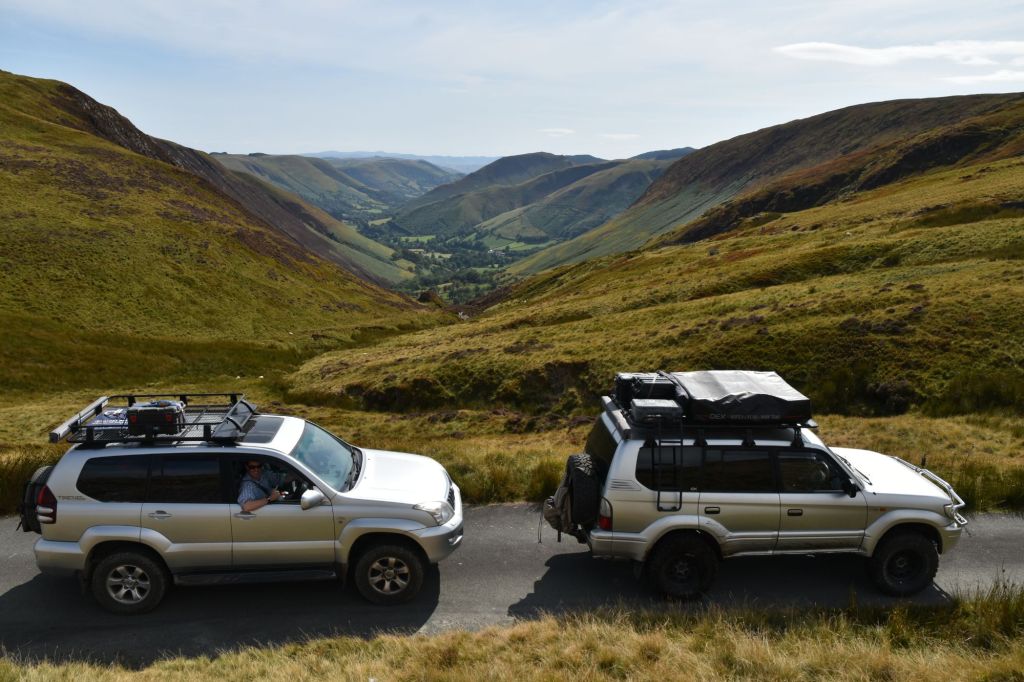
A dedicated low range 4WD system remains the standard for serious overland work. Low range gearing allows controlled, low speed descents and sustained pulling power in sand, mud or steep rocky terrain, conditions where torque management matters more than outright power.
AWD systems, common in modern SUVs, distribute power automatically and perform well on loose or wet surfaces at speed. They are poorly suited to sustained low speed technical terrain and rarely offer meaningful ground clearance gains.
2WD vehicles can complete significant overland routes on graded tracks and in dry conditions, but margin for error narrows considerably once terrain deteriorates.
Size, Weight, Length and Height
Larger vehicles carry more but pay for it in approach and departure angles, narrow track width and difficulty on tight mountain switchbacks or in dense urban centres along the route. Weight affects recovery difficulty directly. A heavier vehicle stuck in soft sand or mud requires proportionally more recovery force, more anchor points and often more people.
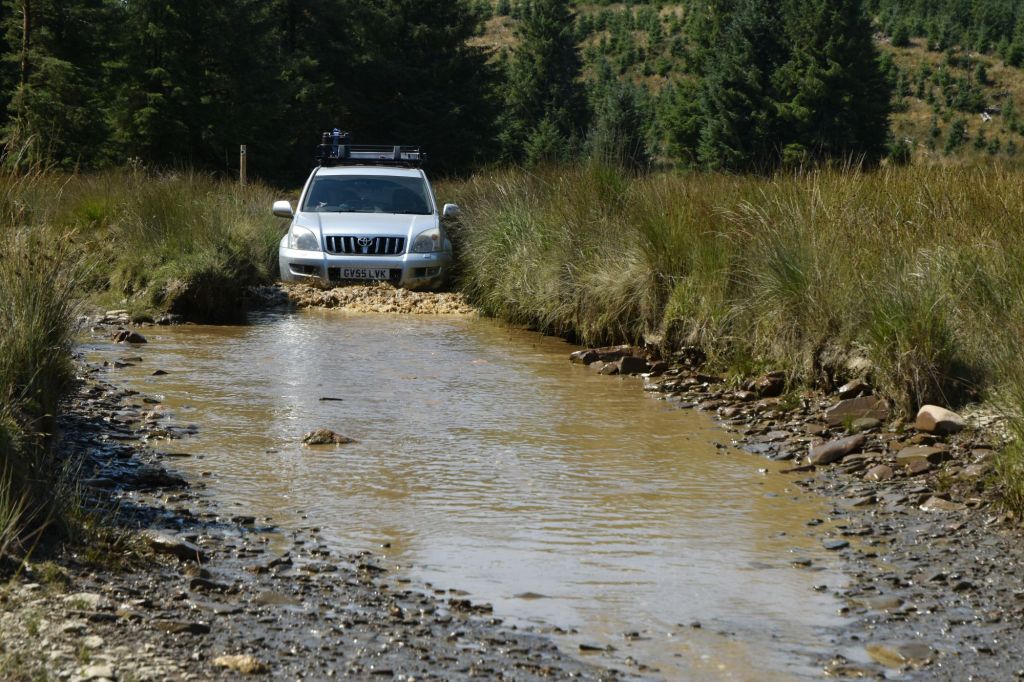
Height matters for wading depth and rollover margin on cambered tracks, but also for garages, ferries and low bridges, an unglamorous but recurring constraint.
Carrying Capacity
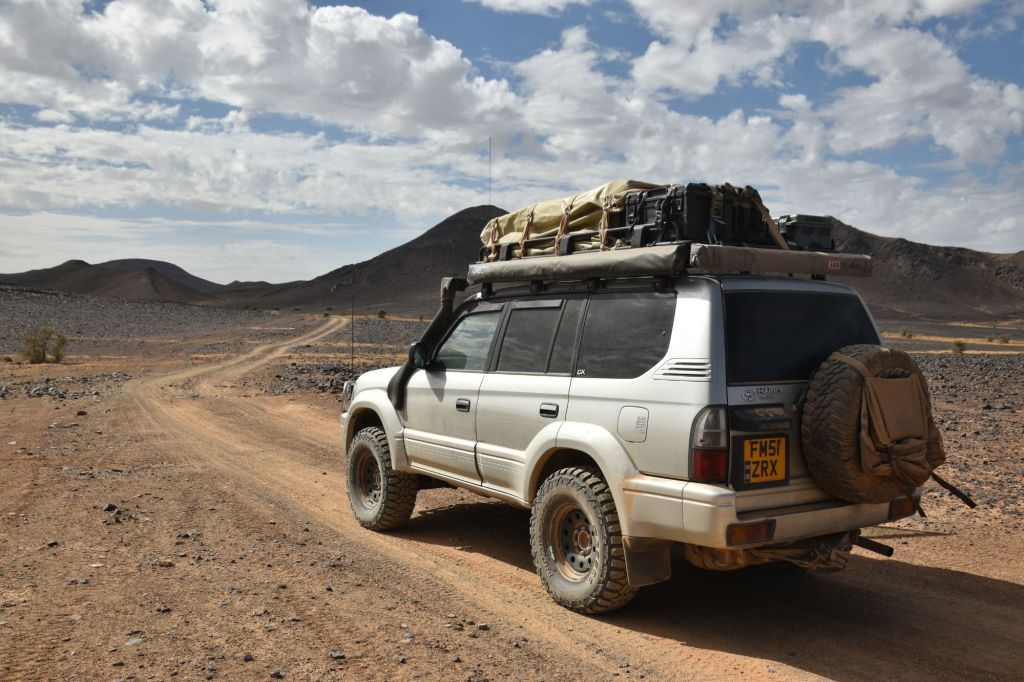
Internal payload should account for water, fuel, recovery gear, spares and food, not just people. Roof mounted loads raise the centre of gravity, so weight distribution deserves as much attention as total capacity. External capacity, roof racks, rear carriers and drawer systems, should be assessed against the vehicle’s rated payload, not just physical space available.
Reliability, Maintenance and Parts Availability
Mechanical simplicity has real value far from a dealership. Vehicles with widespread global distribution, particularly older Land Cruisers and Hiluxes, benefit from parts availability and local mechanic familiarity across Africa, Asia and South America. Electronic complexity, while often beneficial in normal use, can become a serious liability when diagnostic tools are unavailable.
Strength and Long Term Reliability
Taken together, these factors narrow the realistic field considerably. A vehicle capable of sustained overland work needs chassis strength to tolerate years of load and vibration, drivetrain components simple enough to diagnose roadside, and a service network that extends well beyond its home market. Few manufacturers meet all three consistently.
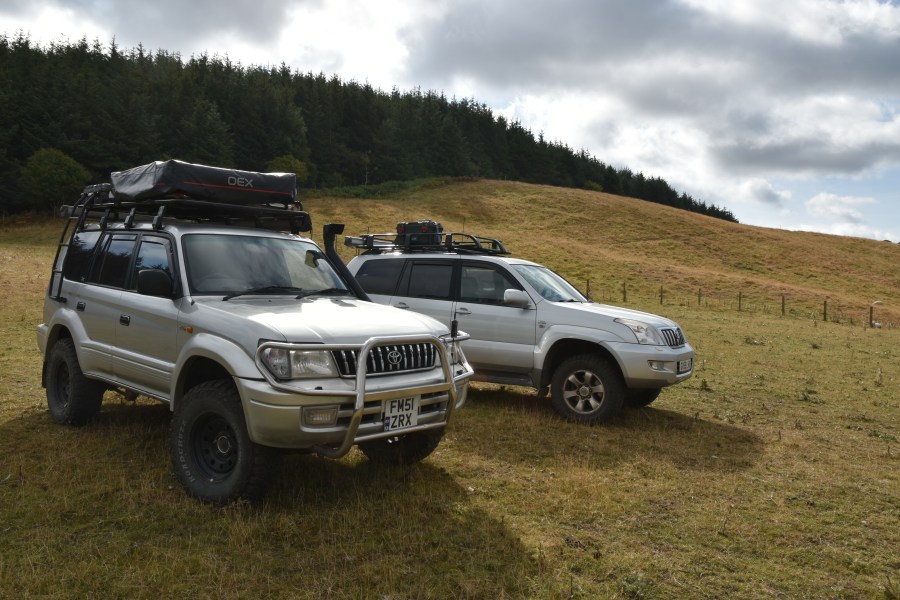
In practice this points toward a small group of mid size 4x4s with long production histories and proven ladder frame construction. Toyota’s Land Cruiser and Hilux ranges dominate this category globally, valued for durability and an unmatched spares network across remote regions. Nissan’s Patrol offers comparable strength and a loyal following, particularly in the Middle East and parts of Africa where local knowledge runs deep. Land Rover’s Defender, older models especially, retains a strong reputation for repairability and simple mechanicals, though parts sourcing outside Europe can be less consistent than for its Japanese rivals.
This is not a case of one manufacturer being definitively superior. Route, region and personal mechanical familiarity all shape the right answer. What the strength and reliability criteria do rule out, fairly consistently, are larger luxury oriented 4x4s and unibody SUVs, which tend to prioritise onboard comfort and technology over the structural simplicity overland use demands.
Tyres
Tyre choice shapes on road manners as much as off road capability. All terrain tyres suit the majority of overland routes, offering a workable balance of grip, tread life and reasonable road noise. Mud terrain tyres improve traction in deep mud and loose rock but wear faster and increase fuel consumption on tarmac.
Spare tyre provision matters as much as tread pattern. A single spare is adequate for well travelled routes with regular settlements. Remote or multi week routes justify carrying two, along with a plug kit, air compressor and the tools to break a bead by hand if required.
Suspension
Suspension governs both comfort and payload capacity over long distances. Standard road suspension sags quickly under overland loads, reducing clearance and altering handling. Heavy duty or aftermarket suspension, matched to the vehicle’s actual loaded weight rather than its unladen weight, preserves geometry and ride quality once drawers, water and fuel are aboard.
Independent front suspension generally rides more smoothly on rough surfaces at speed. Solid axle setups, while less refined, tend to be simpler to repair and more tolerant of extreme articulation, a relevant factor on rocky or badly eroded tracks.
Fuel Range and Autonomy
Fuel range determines route planning as much as any other single factor. Auxiliary tanks or jerry can capacity should be sized against the longest realistic distance between reliable fuel points on the intended route, with a working margin rather than a theoretical one. Diesel engines remain the practical default for overland work, offering wider availability, torque suited to load carrying, and mechanical designs that tolerate lower fuel quality better than most petrol equivalents.